
PCI DSS v4.x application vulnerability scanning
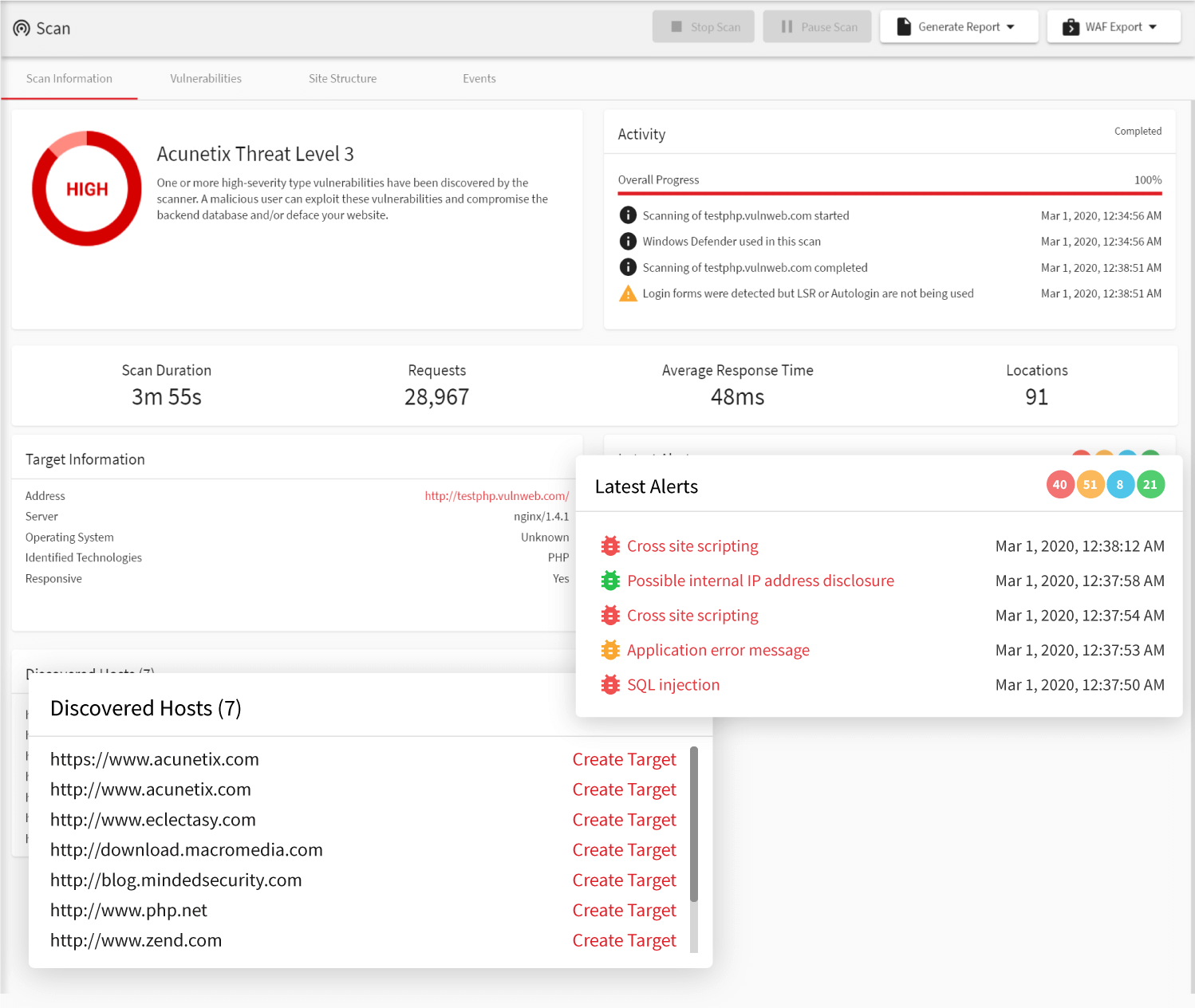
Payment Card Industry Data Security Standard (PCI DSS) compliance is often associated with firewalls, encryption, and network controls. In practice, one of the most exposed parts of PCI scope is the application layer – the web applications and APIs that process or influence credit card and other sensitive data. Defined by the PCI Security Standards Council (PCI SSC), PCI DSS v4.x places increased emphasis on continuously identifying, validating, and remediating vulnerabilities in these applications. For AppSec teams, this means proving that security controls are effective over time – not just completing a periodic compliance scan. Invicti supports this effort with automated web application scanning and API security testing, vulnerability assessment workflows, and evidence-ready scanning reports that help cybersecurity teams strengthen their security posture, reduce real risk, and prepare for compliance assessments. With built-in scanning tools, integrations, and reporting, Invicti enables organizations to streamline application-layer security controls and maintain visibility into risk across their web environments.Mapping Invicti capabilities to PCI DSS v4.x
| PCI DSS v4.x area | What it means for AppSec teams | How Invicti helps |
| Requirement 6.3 | Identify and address vulnerabilities in custom and third-party software | Automated web application and API vulnerability scanner capabilities |
| Requirement 6.4.1 | Protect public-facing web applications from attacks | DAST-based vulnerability assessment of running applications to identify exploitable issues |
| Requirement 11.3.1 | Internal vulnerability scanning | Perform internal vulnerability scans of applications within the cardholder data environment |
| Requirement 11.3.2 | External vulnerability scanning | Support testing of externally exposed applications; PCI ASV validation may apply |
Audit-ready PCI DSS reporting and remediation workflows
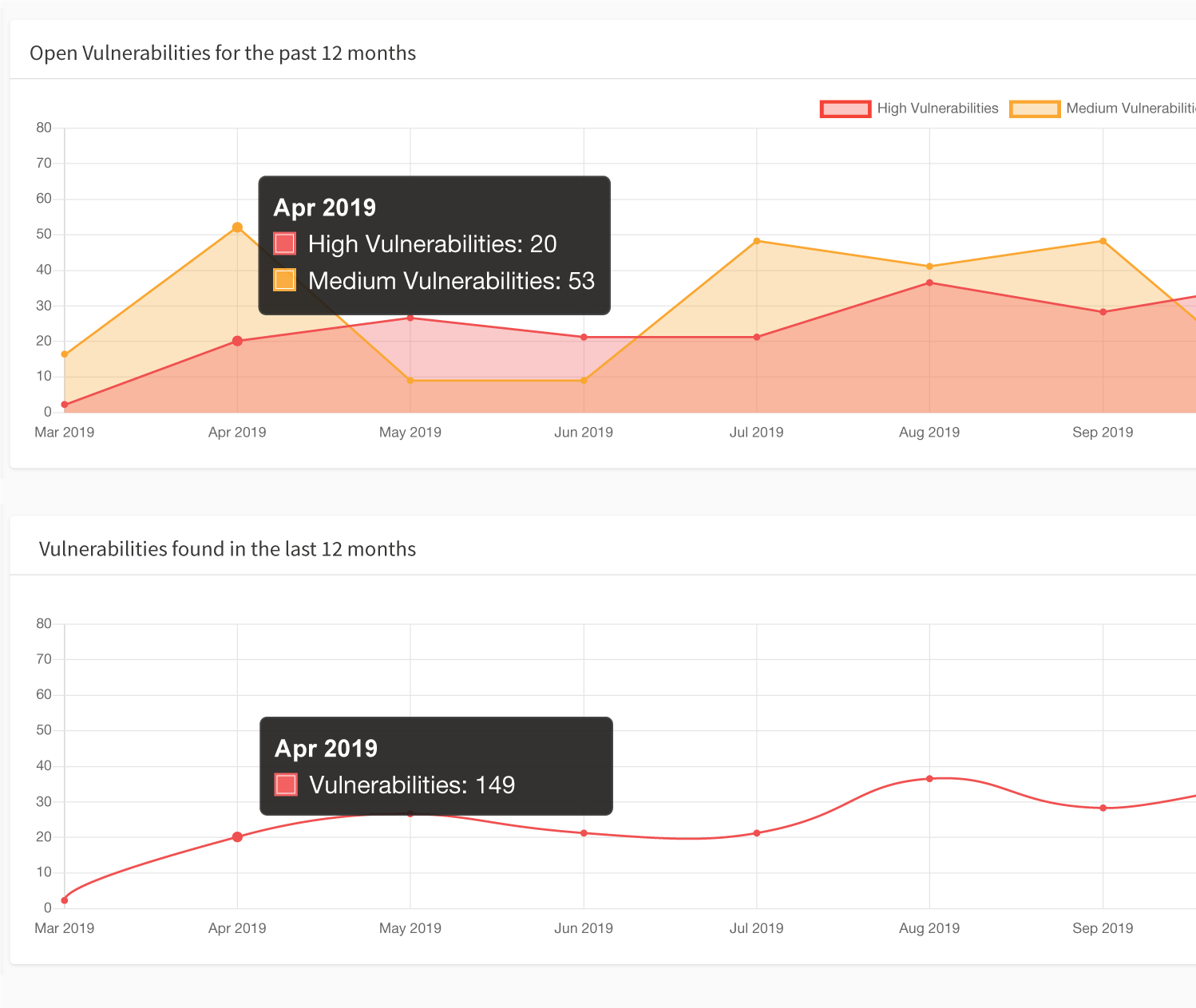
PCI DSS compliance requires not only identifying vulnerabilities but also demonstrating that they are tracked, prioritized, and remediated. This makes reporting, attestation, and workflow management just as important as scanning itself. Invicti supports audit readiness with:- Built-in PCI DSS scanning reports and compliance templates aligned to PCI data security requirements
- Centralized dashboards that provide visibility into current risk, security gaps, and remediation status
- Integration with issue tracking systems such as Jira, GitHub, GitLab, Azure DevOps, and other SaaS platforms
- End-to-end vulnerability management and lifecycle tracking, from discovery to verification and rescans
Frequently asked questions about PCI DSS scanning
PCI DSS v4.x is a set of security requirements defined by the PCI Security Standards Council to protect credit card data. It outlines technical and operational controls for securing systems that store, process, or transmit cardholder data, including requirements for vulnerability scanning, access control, and ongoing compliance assessment.
Any organization that stores, processes, or transmits credit card data must be PCI DSS compliant. This includes e-commerce businesses, service providers, and third parties whose systems can impact the security of the cardholder data environment.
A PCI DSS vulnerability scan is a type of compliance scan used to identify security weaknesses in systems within PCI scope. This includes internal and external vulnerability scans of networks, applications, and IP addresses.
Organizations are typically required to perform quarterly scans and rescans after remediation. External scans may need to be conducted by a PCI Approved Scanning Vendor (PCI ASV), depending on compliance requirements.
Invicti supports application-layer vulnerability scanning for both internal and external environments, including web applications and APIs, provided it has appropriate access control and authentication to test those systems.
PCI DSS Requirements 11.3.1 and 11.3.2 include specific criteria for internal and external scans. Organizations should confirm how their scanning tools, ASV services, and penetration testing activities fit into their overall compliance program.
Invicti is a vulnerability scanner designed to support application security testing and compliance efforts. PCI ASV services are a distinct requirement for external network vulnerability scanning.
Organizations typically use a PCI Approved Scanning Vendor for required external scans and complementary scanning tools like Invicti for ongoing vulnerability assessment of web applications and APIs.
Invicti helps streamline PCI DSS audit preparation by providing:
- Continuous vulnerability scanning and scheduled compliance scans
- Centralized tracking of findings, remediation progress, and rescans
- Detailed scanning reports that support audit evidence and attestation
- Integration with development workflows to streamline remediation
These capabilities help organizations maintain visibility into security gaps, support self-assessment and formal audits, and reduce the operational burden of maintaining PCI DSS compliance.
Recommended reading
Learn more about prominent vulnerabilities, keep up with recent product updates, and catch the latest news from Acunetix.




“We use Acunetix as part of our Security in the SDLC and to test code in DEV and SIT before being promoted to Production.”
Kurt Zanzi, Xerox CA-MMIS Information Securtiy Office, Xerox